Shoreline Fall and Winter Seed Starting: Midsummer to Autumn Schedules
Fall and winter gardening in Shoreline starts earlier than many gardeners expect: seeds need time to grow before daylight fades and cold, wet weather settles in. The challenge is choosing crops and sowing windows that suit your bed, not just following a generic calendar. This schedule helps you decide what to sow from midsummer into autumn and how to protect young plants.
Plan backward from the harvest you want
In Shoreline, fall seed starting is a race against shortening days. Seeds may germinate well in warm summer soil, but seedlings grow more slowly as days get shorter and cooler. A crop that matures quickly in summer can take longer in autumn, so a seed packet’s days-to-maturity estimate is a starting point, not a promise.
First decide what you want to harvest. For baby leaves and small roots, you can sow later than you would for full-size plants. For mature cabbage-family crops, large roots, or plants intended to survive winter, sow earlier so they can establish before the season turns. Some fall vegetables grow through autumn and then pause in winter; they may provide more harvest as days lengthen again.
A useful planning sequence is:
- Choose the expected harvest size: baby leaf, young root, or full-size crop.
- Check the packet for days to maturity and whether that number is measured from sowing or transplanting.
- Allow extra time for slower fall growth. The later the sowing, the more important this adjustment becomes.
- Check the growing space for sun, drainage, and access to water.
- Decide whether you can cover the crop when cold, heavy rain, or wind threatens.
For more on using packet maturity information, see Using Days to Maturity to Time Fall Garden Crops. Shoreline yards can differ substantially: a sunny, sheltered bed may stay productive longer than a shaded, exposed one. Coastal influence, buildings, trees, slope, and drainage all affect how a particular bed performs. A calendar is most useful when you use it alongside observations from your own garden.
It also helps to separate three goals that are often lumped together as “winter gardening”:
- Autumn harvest: Sow for a harvest before the darkest, coldest part of winter.
- Winter harvest: Grow hardy crops that can be picked during mild spells, often with some protection.
- Overwintering: Establish plants in autumn so they survive winter and resume growth later.
Those goals call for different timing. A quick salad green can still be useful when sown relatively late, while a plant expected to reach a substantial size before winter generally needs an earlier start. Even hardy crops may stop growing for a while in low light, so winter survival and active winter growth are not the same thing.
A Shoreline sowing schedule from July into autumn
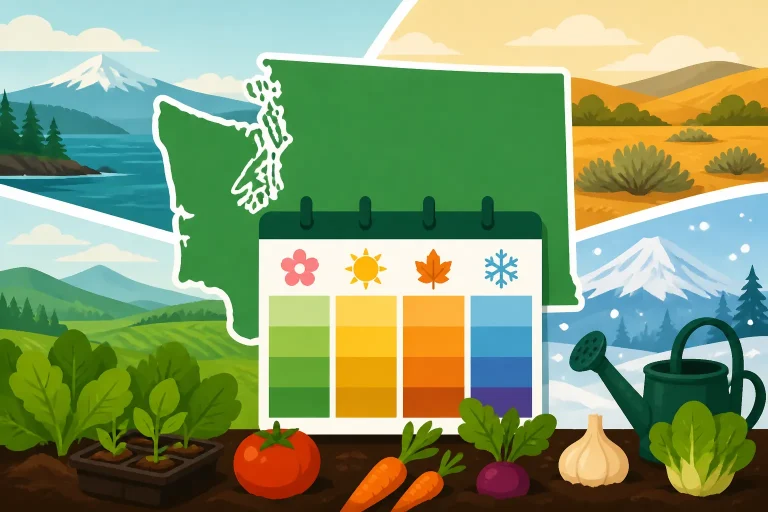
The calendar below is a planning framework rather than a fixed set of dates. Weather, seed type, bed conditions, and intended harvest size all matter. If a packet recommends a different window for the crop or variety, use the packet as your starting point and adjust for the conditions in your yard.
| Sowing window | Main purpose | Crops to consider | Key planning point |
|---|---|---|---|
| July | Establish crops for autumn and some winter harvests | Kale, chard, cabbage-family crops, beets, carrots, turnips, lettuce, spinach, and other leafy greens | Prioritize crops that need time to size up; keep seedbeds from drying in summer heat |
| Early August | Continue autumn succession and start some winter crops | Leafy greens, kale, spinach, turnips, radishes, and other quick roots | Choose crops with suitable maturity times; shade or water seedbeds if they dry quickly |
| Late August | Favor quick harvests and plants that can establish before growth slows | Lettuce, arugula, mustard greens, spinach, radishes, and other fast greens or roots | Expect slower growth than midsummer and plan for smaller harvests |
| September | Aim mainly for quick greens, baby leaves, and protected sowings | Spinach, arugula, lettuce, and other fast-growing greens suited to cool weather | Soil may remain warm, but shorter days limit growth; avoid expecting large plants quickly |
| October into autumn | Use carefully chosen protected or very quick sowings | Small batches of hardy greens where conditions allow | Treat late sowing as an experiment or small succession, not a dependable route to full-size crops |
July: build the main autumn planting
July is often the most useful starting point for Shoreline fall and winter crops because it gives slower-growing vegetables time to establish. Sow in batches rather than filling every bed at once. A successful first sowing can be followed by another of faster crops, while a dry spell or heat wave may affect only one portion of the plan.
Consider sowing crops for different uses: leafy greens for repeated picking, roots for autumn meals, and sturdy plants that may remain in the garden. Check each crop’s expected size and maturity time. A crop intended to reach full size needs a different lead time than one you plan to harvest young.
Summer conditions can make seedbeds unforgiving. The top layer of soil may dry quickly, even when the deeper bed is still moist. Water gently enough to keep the seed zone damp without washing seeds into clumps or leaving the bed waterlogged. If a site gets intense afternoon sun, temporary shade can help the surface stay moist while seeds germinate. Remove the shade once seedlings are established if they need more light.
Early to late August: continue successions, but be selective
August is a good time to keep sowing quick greens and roots, while assessing what is already growing. If July crops are healthy, the next sowing can fill gaps in harvest rather than duplicate the entire planting. For a step-by-step approach to repeated sowings, see Succession Planting Salad Greens on Two-Week Intervals.
Early August sowings can still include a mix of quick and slower crops, depending on the space and the harvest you want. As the month progresses, favor crops that mature relatively quickly or can be harvested as small leaves. The later the sowing, the less reliable a full-size harvest becomes before winter growth slows.
Warm spells can cause some leafy crops to bolt, or send up a flower stalk before they have produced the harvest you want. Keep seedbeds evenly moist and avoid letting young plants become stressed. For more on this issue, see Protecting Fall Crops from Bolting During Warm Autumn Spells.
September and October: make smaller, realistic sowings
By September, you can still sow quick greens and small batches of roots, especially in a warm, sunny bed. But shorter days are a major constraint. Seedlings that emerge successfully may not put on much size before cold weather and low light reduce growth. Sow for baby leaves or a modest harvest rather than assuming a late planting will produce full-size plants.
October sowings should be modest and suited to the conditions. A protected bed, a sheltered container, or a small patch of fast-growing greens may be worth trying, but late seed starting is not a substitute for the earlier establishment needed by larger winter crops. If the soil is saturated, poorly drained, or shaded for much of the day, a late sowing is less promising.
For Shoreline-specific seasonal options, compare Sowing Fall Greens from Seed in Shoreline Before Summers Wane and Shoreline Winter Food Crops: Seed Starting Windows from July to August. Those topics can help you refine a plan for the crops you want and how much of the season remains.
Choosing crops and deciding whether to sow or transplant
The best crop is not always the one that sounds most winter-hardy. It must also fit the time remaining, the growing space, and the harvest you expect. Read the packet for sowing depth, spacing, maturity information, and whether the crop is intended for direct sowing or transplanting. A Botanical Interests packet, like any seed packet, can provide useful crop-specific instructions; compare those instructions with conditions in your bed rather than treating a calendar estimate as a guarantee.
Direct-sow crops with roots or sensitive roots
Root crops such as carrots, beets, turnips, and radishes are generally best sown where they will grow. Transplanting can disturb roots and lead to uneven shapes or poor establishment. Prepare a fine, reasonably even seedbed and keep it consistently moist until seedlings are established. If seedlings emerge in clusters, thin them to the spacing recommended for the crop and intended harvest size.
Direct sowing also suits many greens. Lettuce, spinach, arugula, and mustard greens can be sown in rows, short bands, or small patches. Small sowings are easier to water and protect than a large bed planted all at once. If the first attempt fails because the surface dries or is washed by heavy rain, you can resow a limited area rather than restarting the whole garden.
Start transplants when the crop benefits from an established seedling
Some gardeners start cabbage-family crops in trays or a nursery bed, then transplant healthy seedlings into their final space. This can make it easier to protect small plants from slugs, heat, drying, or disturbance in a busy bed. It also frees the main garden area while a summer crop is finishing.
Transplants need care when moved. Grow them with enough light, water them consistently, and avoid letting them become crowded or root-bound. Before planting them outdoors, gradually acclimate them to outdoor conditions. The process of hardening off helps seedlings adjust to brighter light, wind, and temperature changes; see How to Harden Off Vegetable Transplants Before Setting Them Out.
When moving a transplant, water it in and keep an eye on it while it settles. A seedling that looked sturdy in a tray can struggle if its root ball dries out or if it is suddenly exposed to hot sun and wind. Transplanting does not eliminate timing limits: a small plant set out late in the season still needs suitable conditions and enough time to establish.
Match each crop to the harvest you want
Baby greens offer flexibility because they can be harvested while small. For some crops, repeated picking of outer leaves can extend the harvest, provided the plants remain healthy. Roots are less flexible: a small root can be harvested young, but the size and storage potential will differ from a crop that has had time to mature.
For overwintering, choose crops known for cold tolerance and establish them early enough to develop a sturdy plant. What survives varies with exposure, drainage, and the particular cold spell. A crop may tolerate cool weather yet suffer in a wet, poorly drained bed or lose leaves to wind and winter rain. For possibilities and trade-offs, see Which Hardy Vegetables Can Overwinter in Shoreline Raised Beds? and Winter Greens and Cold-Hardy Vegetables for Cool Rainy Seasons.
Avoid relying on one crop or one sowing. A mix of quick greens, roots, and a few established hardy plants spreads the risk. If a late sowing produces only a small harvest, an earlier planting may still provide useful food. If one crop bolts or suffers pest damage, the rest of the bed can keep producing.
Prepare the bed for warm sowing and wet autumn weather
A successful fall planting begins with the space left behind by summer crops. Clear spent plants and weeds, then check whether the soil is compacted, dry, or waterlogged. Avoid working soil when it is very wet, since handling it in that condition can damage its structure. If a summer crop is still productive, remove only what is necessary to make room for the next sowing.
Small seeds need good contact with soil and a surface that stays evenly moist. Rake the seedbed level, remove large clods, and follow packet guidance for sowing depth. Covering tiny seeds too deeply can delay emergence or prevent it. After sowing, water gently and check the surface frequently during warm weather. A bed can look moist in the morning and dry out near the surface by afternoon.
As autumn brings more rain, drainage becomes as important as watering. Raised beds can help where the ground stays wet, but they still need a way for excess water to drain. Low spots that collect water are a poor place for crops expected to sit through a rainy winter. If a bed is already soggy, improve the growing conditions before putting in a large planting.
Weeds compete with young seedlings for light and water. Remove them while they are small, taking care not to disturb shallow crop roots. Mulch can help protect soil and suppress weeds around established plants, but it should not bury newly sown seeds or block seedlings from emerging. For more on timing the seasonal transition, see When to Transition Garden Beds from Summer to Fall Greens.
Space seedlings according to their eventual size, not only their appearance when young. Crowded greens may remain small, stay damp longer, or become harder to inspect and harvest. Follow packet spacing and adjust only when you intend to harvest a crop young. A bed planned for baby leaves can be denser than one meant to produce full-size plants.
Protect plants without trapping problems
Simple covers can help shelter plants from wind and cold, but protection is not automatic. Secure fabric over low hoops or another support so it does not press on plants or flap loose in wind. Covers may also reduce rain reaching the bed, so check soil moisture under them instead of assuming the garden is watered. Guidance on securing covers is available in Securing Garden Fabric Over Low Hoops in Rainy Winter Beds.
In wet weather, ventilation matters. A cover that remains closed in mild conditions can trap excess moisture and create a damp environment around foliage. Open or remove protection when conditions allow, and check plants regularly for damaged leaves, slugs, or other problems. A cover is most useful when it is easy to adjust and inspect.
Protection also cannot make every crop thrive through every winter. It can soften exposure and extend the harvest, but low light, saturated soil, and cold periods still slow growth. Plan for periods when the garden produces little, then use crops that tolerate those conditions as a bridge to later harvests.
Keep the schedule flexible as the season changes
A good planting calendar is a sequence of decisions, not a one-time checklist. Check what has germinated, how quickly seedlings are growing, and how much usable light each bed receives. If a crop is struggling, identify whether the problem is moisture, heat, crowding, shade, pests, or drainage before adding another sowing. Resowing into the same conditions may repeat the problem.
Keep a brief record of the crop, sowing window, bed location, and result. Note whether seedlings emerged evenly, whether they needed shade, and when you began harvesting. These observations help you adjust the next year’s plan without assuming every Shoreline garden behaves the same way.
A practical check-in once a week can include:
- Whether the seedbed surface is drying out or staying too wet.
- Whether seedlings have emerged and need thinning.
- Whether weeds or pests are competing with the crop.
- Whether plants are growing steadily or beginning to bolt.
- Whether covers need securing, opening, or checking for moisture beneath them.
- Whether the crop is still on track for the harvest size you intended.
If a sowing misses its window, scale down rather than forcing the original plan. Sow a quicker crop, harvest leaves young, or leave the space for a later planting. A small, successful patch is often more useful than a full bed of seedlings planted too late to mature.
For a broader seasonal view, Washington Planting Calendar: Seasonal Schedules by Region can help put Shoreline’s schedule in context. The core approach remains the same: sow slower crops early, save later sowings for quick or young harvests, and treat winter covers as support rather than a guarantee.
Frequently Asked Questions
When should I start fall vegetables in Shoreline?
Begin planning in midsummer. July is a useful window for crops that need time to establish, while August and September are better suited to many quick greens and smaller harvests. Use the crop’s maturity information and your bed conditions to refine the timing.
Can I sow vegetables in Shoreline in October?
You can try small, quick sowings in a suitable protected spot, but October is late for many crops to reach full size before winter growth slows. Treat late sowing as an experiment or a modest greens planting rather than a dependable full harvest.
Which crops are most suitable for winter harvest?
Hardy greens and some roots may be harvested during mild periods, especially when plants were established earlier and growing conditions are favorable. Cold tolerance does not guarantee continuous winter growth; low light and wet soil can limit production.
Do fall crops need a cover in Shoreline?
Not always. A cover can reduce exposure to cold and wind, but it needs to be secured and checked. Moisture and ventilation still matter, and a cover cannot compensate for poor drainage or a crop planted too late to establish.
Disclaimer
This article is for general informational purposes only and does not constitute professional advice. Laws, prices and regulations vary by location and change over time. Consult a qualified professional for guidance on your specific situation. Washington Gardening Guide is not a government agency and is not affiliated with any university extension, state department of agriculture or other government agency.